
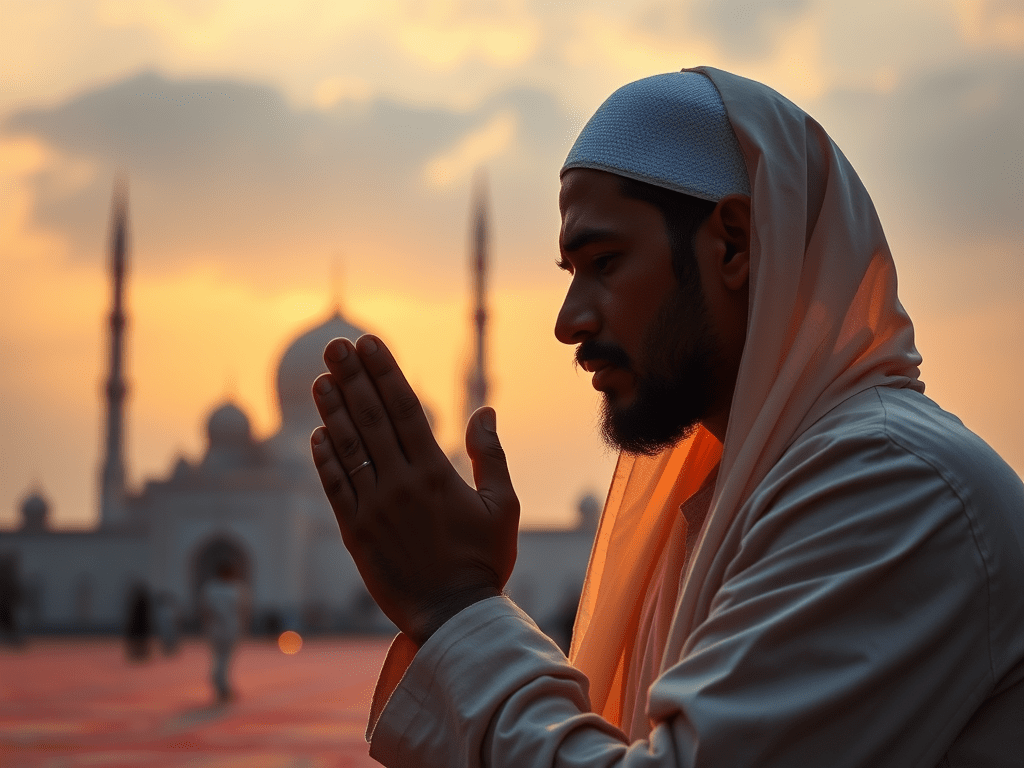
Devotion and submission to Allah is a fundamental aspect of the Islamic faith, deeply rooted in the lives of Muslims from an early age. Engaging in regular prayers, known as Salah, is one of the primary acts of worship that fosters a strong connection between the believer and Allah.
Muslims perform five daily prayers, each with its unique significance and time. The prayers are as follows:
- Subuh (Fajr): This prayer is performed at dawn and consists of two rak’ahs (units). It marks the beginning of the day and is a moment for reflection and gratitude.
- Zuhur: This midday prayer includes four rak’ahs. It serves as a reminder to take a break from daily activities and reconnect with one’s faith amid the hustle and bustle of life.
- Asr: The afternoon prayer, also comprising four rak’ahs, is performed during the late afternoon. It helps Muslims pause and reaffirm their beliefs before the day draws to a close.
- Maghrib: This prayer takes place just after sunset and consists of three rak’ahs. It symbolises the transition from day to night and provides an opportunity for thanks.
- Isha: The night prayer includes four rak’ahs and is performed after twilight has disappeared. It is a time for seeking forgiveness and peace before resting.
Muslims have the option to pray in congregation, which is especially encouraged, as it fosters community spirit and unity among believers. However, under certain circumstances, such as illness or travel, one may pray alone.
The practice of prayer is not only a ritual but also a way for individuals to express their devotion to Allah. It is instilled in Muslims from childhood, often influenced by the teachings and practices of their parents. As one reaches the age of maturity, known as baligh, they become responsible for their own spiritual journey and can make personal choices regarding their religious obligations.
In essence, the daily prayers serve as a framework for Muslims, guiding their actions and thoughts throughout each day. The rhythm of these prayers acts as a spiritual anchor, reminding believers of their commitment to their faith and encouraging mindfulness in all aspects of life.


 DuRound Sanctum Studio
Leave a comment