
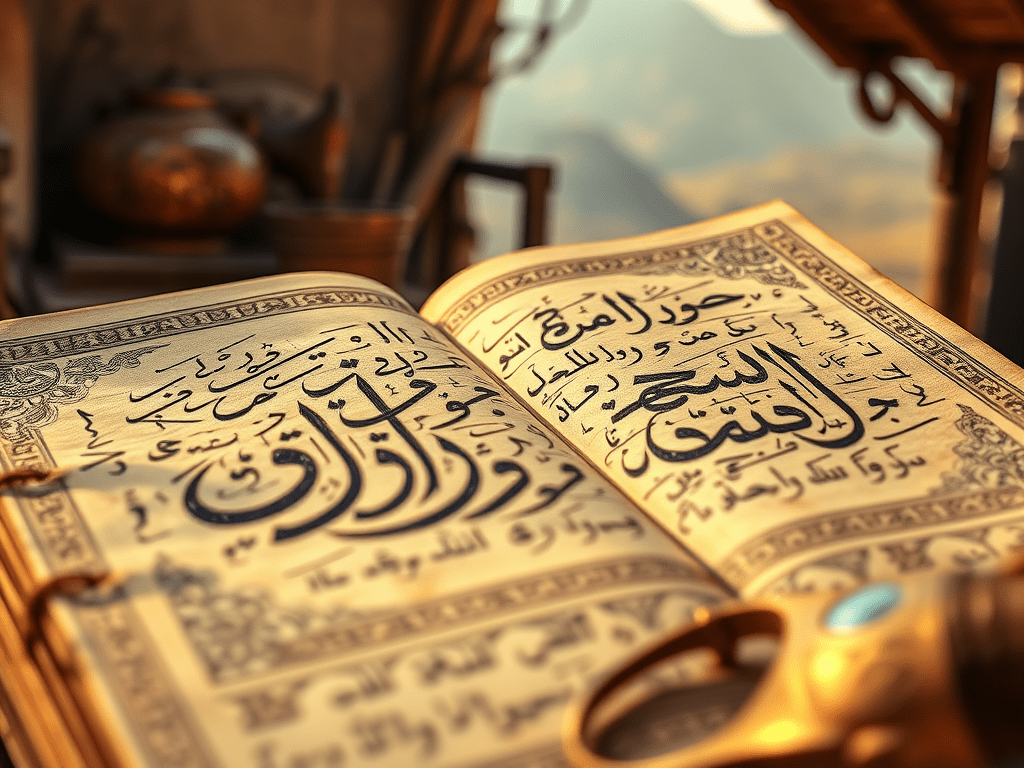
Cultural heritage that is mostly proud is writing Jawi. It is associated with traditional writing practices. These practices have been passed down through generations. They often reflect the collective memory and identity of a community. The possessing word seems more akin to the Arabic words that are deeply intertwined with Islamic traditions. This resemblance showcases how language can serve as a vessel for cultural beliefs. It also illustrates its role in religious practices. The meanings of the words are different from their original Arabic counterparts. Yet, they hold significance in their nuanced cultural context. These words are important in cultural nuance. This emphasizes how language evolves over time. Instead, the words and their meanings lean towards Latin influences. This is rather than purely Arabic origins. It shows a complex interplay of linguistic evolution shaped by historical interactions. While Arabic words often challenge many due to their intricate grammar and vocabulary, Jawi words are easy to understand. Their closer alignment with the Latin alphabetic structure simplifies pronunciation and comprehension, making them more accessible to everyday speakers. Jawi serves as a means of communication. It functions as a vital link to community heritage. It also connects to identity and history. This allows for a rich expression of thoughts, stories, and teachings. These resonate with the cultural identity of the people. It nurtures a sense of belonging and continuity. This unique script enriches the tapestry of linguistic diversity and plays a significant role in preserving the cultural narratives that shape the identity of those who embrace it, thus ensuring that the voices of past generations continue to resonate within contemporary society.
Understanding Jawi: The Language of Cultural Heritage
Discover more from DuRound Sanctum Studio
Subscribe to get the latest posts sent to your email.
 DuRound Sanctum Studio
Leave a comment