
- In principle, the mystery of how one lives is a complex question. It requires thorough investigation through various methods such as inquiry, observation, reading, searching, and more. Without a solid framework or ideals guiding life, individuals often feel lost. They feel compelled to create their own values or identities. These are often based on observed human behavior. Alternatively, they might draw lessons from historical figures. These figures adhered to established doctrines throughout generations. They maintained and safeguarded those beliefs up to the present day.
- For many, living a principled life fundamentally involves following the teachings of the Prophet Muhammad (saw). He is revered as the messenger of God. He was chosen to convey divine guidance to humanity. Notably, the Prophet (saw) did not compose any texts. He was not educated through prior scriptures. It is believed that he was unaware of any such knowledge at the time of his mission.
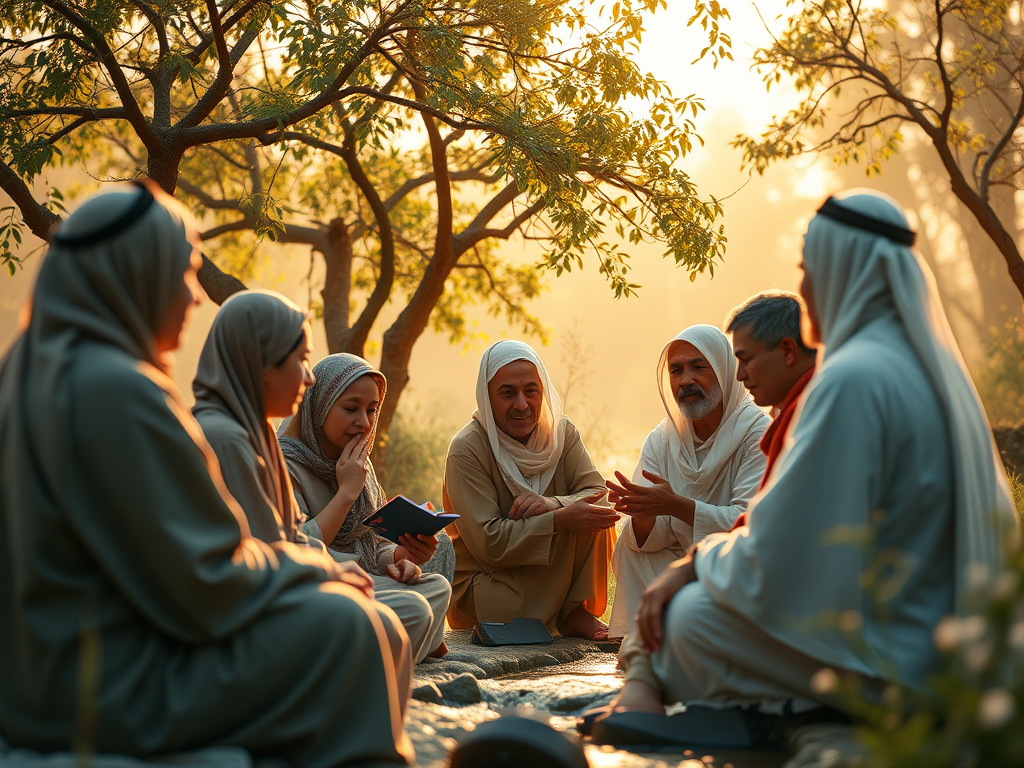
- Muslims widely accept that they should embody the principles demonstrated by the Prophet (saw). This is especially true for those following the Sunnah. These principles apply to various aspects of life, including social, economic, and military conduct. The Sunnah includes the Prophet’s practices. His close companions, known as the Sahabah, and his family members diligently transmitted these practices. Their documentation of his experiences and mannerisms has preserved these teachings for contemporary Muslims.
- The Prophet’s interactions often included the customary greeting among fellow Muslims. This greeting is “Assalamualaikum Warahmatuallahi wabarakatuh.” The appropriate response is “Walaikum salam warahmatuallahi wabarakatuh.” Using these phrases is not obligatory. However, following this tradition is considered Sunnah. It reflects the intention of fostering goodwill and harmony within the community.
- Additionally, several other key principles encompass various life aspects, such as dietary habits, respect for parents, the practice of prayer, hygiene, and beyond. Dietary moderation is emphasised, advocating for a balance where one-third of the intake is food, one-third is drink, and one-third is left for air. Honouring parents entails treating them with kindness, refraining from harsh words, and offering support, especially as they age. Regarding prayer, there are supplementary forms of worship like Duha, Taubat, and Istikhara that are encouraged but not obligatory. Hygiene practices, including regular bathing after exertion, are essential for maintaining cleanliness and preventing unpleasant odours.
- At its core, the principle of life for many adherents involves adhering closely to the guidance offered by the Prophet (saw), who is seen as a beacon leading adherents towards the principles of Islam, which encompass a comprehensive view of a good and fulfilling human experience from birth to death. Over time, scholars have sought to interpret these principles in a way that resonates with contemporary life, leading some followers to embrace these teachings, while others may exhibit uncertainty or disregard.
Principled Living: Lessons from the Sunnah
Discover more from DuRound Sanctum Studio
Subscribe to get the latest posts sent to your email.
 DuRound Sanctum Studio
Leave a comment