
- A neighbor is defined as an individual who lives adjacent to another person. They are in close proximity, typically within the same house or nearby houses. People who share cultural or linguistic similarities tend to live close to each other. They are generally familiar with their local community and reside within 500 meters of each other.
- An exemplary neighbor is someone who is always willing to assist others in their neighborhood. This assistance may encompass offering financial support, safeguarding privacy, and imparting valuable knowledge.
- Financial assistance involves extending help through the provision or loaning of valuable resources to those in need. This can include currency or gold that holds significant value. These resources can be exchanged for other essential items, such as food and water. In the case of monetary loans, it is anticipated that the borrower will repay the loan promptly. However, those who offer assistance without the expectation of repayment are rewarded generously, particularly in the context of Islamic teachings.
- Privacy encompasses the responsibility of protecting the personal information of others, which may include names, addresses, or other sensitive details. Typically, neighbors are privy to some of this information, especially those living in close quarters. Ethical considerations must be upheld. There should be a focus on transparency in handling this information. Obtaining consent from the individual concerned is necessary whenever appropriate.
- Providing beneficial knowledge involves sharing insights and guidance on various topics. These include how to care for aging parents and the importance of regular prayer. They also cover the significance of charitable acts and the provision of job opportunities. This knowledge not only holds significance but also helps to ease the burden on individuals seeking reliable sources of information.
- A good neighbor demonstrates a consistent commitment to the well-being of others in the community. The Quran highlights the importance of caring for one’s neighbors. This includes providing sustenance to those in need. It also means treating everyone with respect whenever possible.
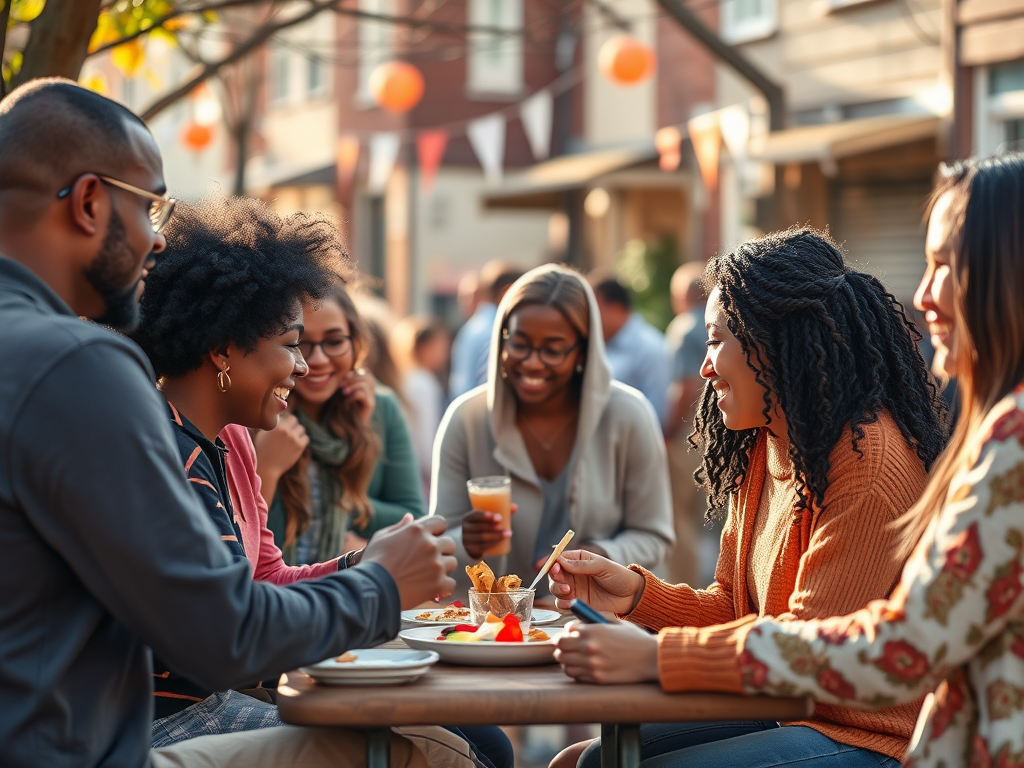
- Good neighbors often organize community events, fostering a sense of connection among residents and creating opportunities for social interaction. This involvement may include planning gatherings, celebrations, or seasonal activities that bring people together.
- Neighbors can also offer emotional support during difficult times. They listen and provide comfort when someone faces challenges or hardships. Such emotional connections can strengthen community bonds and promote a supportive environment.
- A positive relationship with neighbors can enhance one’s living experience, contributing to a safer and more pleasant neighborhood. This can lead to increased cooperation in matters of security. Neighbors watch out for each other’s properties and report any suspicious activities.
- Through shared interests, neighbors may cultivate friendships that extend beyond mere proximity. Whether through hobbies, clubs, or mutual acquaintances, these relationships enrich the community experience and encourage collaboration on various projects.
- Ultimately, the role of a good neighbor involves creating a nurturing community. It should be cohesive, where all individuals feel valued and respected. Recognizing the unique contributions of each neighbor can foster a greater sense of belonging and collective responsibility.
The Role of a Good Neighbor in Community Building
Discover more from DuRound Sanctum Studio
Subscribe to get the latest posts sent to your email.
 DuRound Sanctum Studio
Leave a comment