


- Great pride is taken in being a Muslim in this country. While there is a predominant adherence to Islam, other religions also enrich the landscape. Religions like Christianity, Buddhism, and Hinduism are practiced freely. They contribute to the cultural diversity of the society. Family members have been dedicated adherents of Islam for generations, fostering a deep respect for religious traditions and practices. The Muslim identity is cherished not only as a personal belief, but also as an integral part of the community. Efforts are made to practice righteousness in daily life, drawing inspiration from the teachings and example of the Prophet (saw). Steering clear of unrighteous behavior is crucial. It can lead to non-Islamic values. This can potentially divert individuals from the straight path. The straight path encompasses prayer, fasting, and other good deeds essential to one’s faith.
- While complete knowledge of ancestry is lacking, there is a strong awareness of a grandfather’s faith. He was a practicing Muslim who embodied the values of Islam throughout his life. Vivid memories exist of witnessing him praying in his home. This experience left a lasting impression on one’s understanding of devotion and faith. On the mother’s side, a late grandmother stands out as a devout Muslim who followed Islamic principles stringently. Her prayers and diligent reading of the Quran during childhood are cherished recollections, serving as a foundation for spiritual growth. She was a kind person known for her generosity, often providing food and water, not only to family members but also to those in need within the community. Before passing away, she completed Hajj and Umrah, significant acts of devotion that highlight her unwavering commitment to her faith.
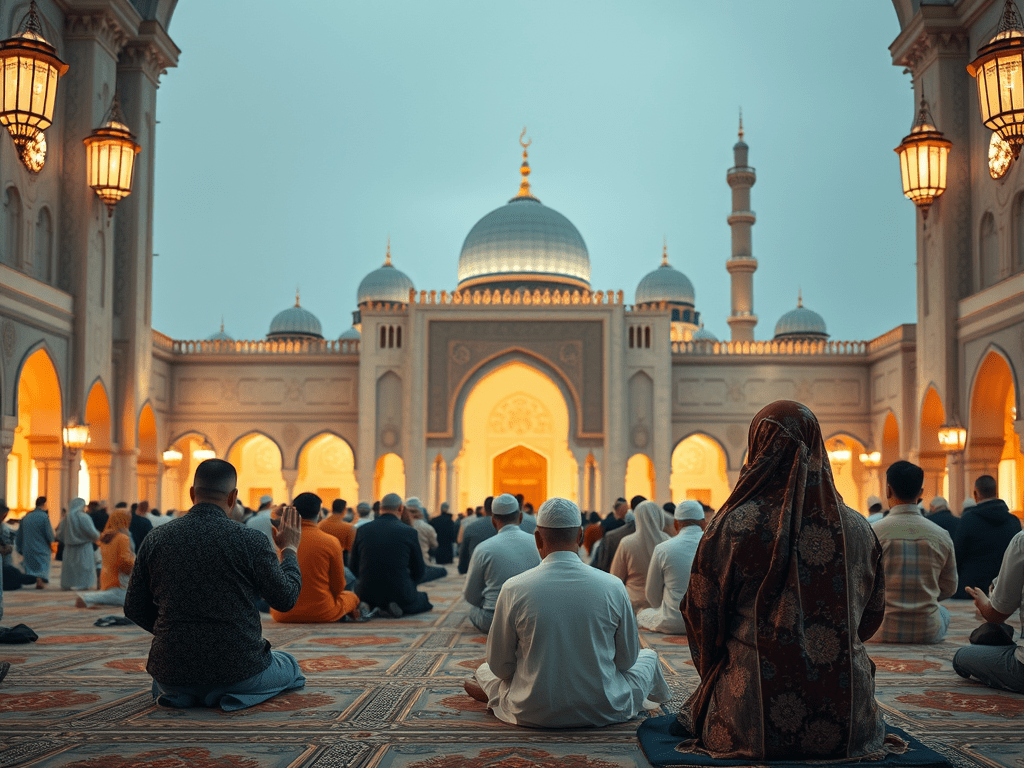
- Muslims are required to perform five daily prayers: Subuh, Zohor, Asar, Maghrib, and Isha, each of which plays a vital role in maintaining the spiritual connection to Allah. These prayers are considered mandatory in Islam and should be performed daily for as long as one is alive and capable. There is an understanding that an exception is made for those who are unconscious or unable to pray due to health issues. Individuals who miss prayers or are late must catch up on those prayers when they are able, reinforcing the importance of maintaining one’s relationship with Allah and fulfilling religious obligations.
- Being a Muslim who follows one faith and engages in righteous actions is a significant source of pride, especially in today’s world where challenges to faith may arise. Learning to read or study the Quran provides an invaluable opportunity to gain deeper religious knowledge, adhering closely to the teachings of the Prophet (saw) and the principles of Islam. Embracing the Sunnah (saw) is a wonderful practice that not only fosters personal growth but also contributes to communal harmony, as Islam encourages believers to promote peace within the Ummah. Every small act of good, no matter how insignificant it may seem, holds the potential to contribute to achieving paradise rather than hell, embodying the belief that even minor deeds can have profound implications in the eyes of Allah.
Celebrating Muslim Identity and Faith
Discover more from DuRound Sanctum Studio
Subscribe to get the latest posts sent to your email.
 DuRound Sanctum Studio
Leave a comment