
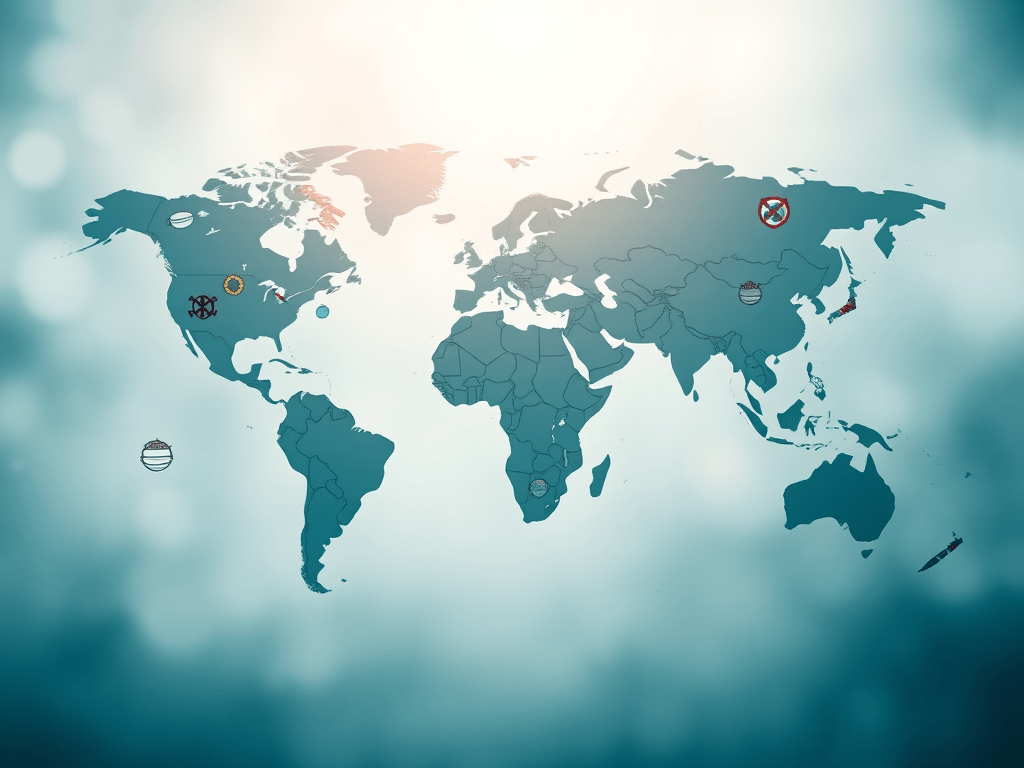
- The rise of COVID-19 is a major historical event to remember. It was a pandemic that unfolded across the globe. It fundamentally altered daily life. It feels surreal that such significant events can still occur in contemporary times, demonstrating the unpredictability of global health crises. A mild fever was reported in June 2019, an incident that seemed relatively trivial at the time. However, the subsequent explosion of COVID-19 cases worldwide revealed the severity and rapidity with which a virus could spread. One of the most impactful changes during this period was the implementation of lockdowns in numerous cities around the world. People were required to stay at home. This drastically limited their movement and social interactions. These quarantine protocols drastically affected society. Infected individuals were required to isolate from others. This was a preventive measure against virus spread. It reshaped social norms around illness and public health.
- The quarantine period typically lasted 14 days for those infected with COVID-19. During this time, they were mandated to remain in isolation. They had to wait until they received a negative test result. This regulation was crucial for controlling the virus’s transmission. As the situation evolved, vaccination became a mandatory requirement in most countries. This event ushered in a new phase in the fight against the pandemic. These vaccines were rapidly developed to equip populations with the necessary immunity to return to a semblance of normalcy. The vaccines aimed to improve the body’s capacity to combat COVID-19. This was especially important as relying solely on natural immunity proved ineffective in many cases.
- Society has undergone significant transformations. Many individuals now regularly perform self-administered checks at local clinics. They want to ensure they remain free from COVID-19. In Malaysia, for example, the introduction of the MySejahtera app has played a pivotal role in enhancing healthcare efficiency. This app allows users to schedule appointments promptly. It covers a range of health services, such as dental check-ups, COVID-19 testing, and HIV screenings. Since its launch, the app has been continuously updated to meet the needs of the population. It has significantly aided many in accessing necessary healthcare services. Check-ups at government clinics or hospitals are conducted smoothly and efficiently.
- The COVID-19 pandemic is widely recognized as a major historical event. It has affected nearly every nation on the planet. It particularly imposed challenges on urban areas. These areas had a significantly heightened risk of airborne transmission. The United States, for instance, faced an exceptionally high number of infections and fatalities daily, underlining the pandemic’s devastating impact. Despite the progress made in medical advancements, a persistent need exists for more healthcare professionals to support the treatment and care of those afflicted by COVID-19, emphasizing the strain placed on healthcare systems and the critical nature of adequate staffing in times of crisis.
- Such significant historical events, like the COVID-19 pandemic, should be a call to action, as they exemplified a catastrophic moment in global history that should not be repeated. Learning from these historic events is essential for preventing similar occurrences in the future, serving as a crucial reminder of the importance of preparedness and responsiveness in public health. This understanding is vital to fostering a more stable society where health benefits can be measured effectively, ensuring the resilience of healthcare systems worldwide and avoiding potential total collapse in the face of future crises.
Reflections on COVID-19: A Major Historical Event
Discover more from DuRound Sanctum Studio
Subscribe to get the latest posts sent to your email.
2 responses to “Reflections on COVID-19: A Major Historical Event”
-
Hello from the UK
In 2020, Covid 19 truly spread like wildfire. The government make different kinds of measures to prevent the infection from spreading. This can be seen in rapid exercise and jab from the NHS for the UK—the people wearing a mask and the compulsory vaccination.LikeLike
-
COVID‑19 was not a rebranding of influenza. It is caused by a different virus (SARS‑CoV‑2), which emerged in late 2019 and spread worldwide. Unlike seasonal flu, COVID‑19 has shown higher rates of severe illness, hospitalization, and long‑term complications. Public health measures were introduced to protect lives, not as propaganda. For accurate information, please refer to trusted sources such as the World Health Organization or your local health authority.
LikeLike
-


 DuRound Sanctum Studio
Leave a comment