
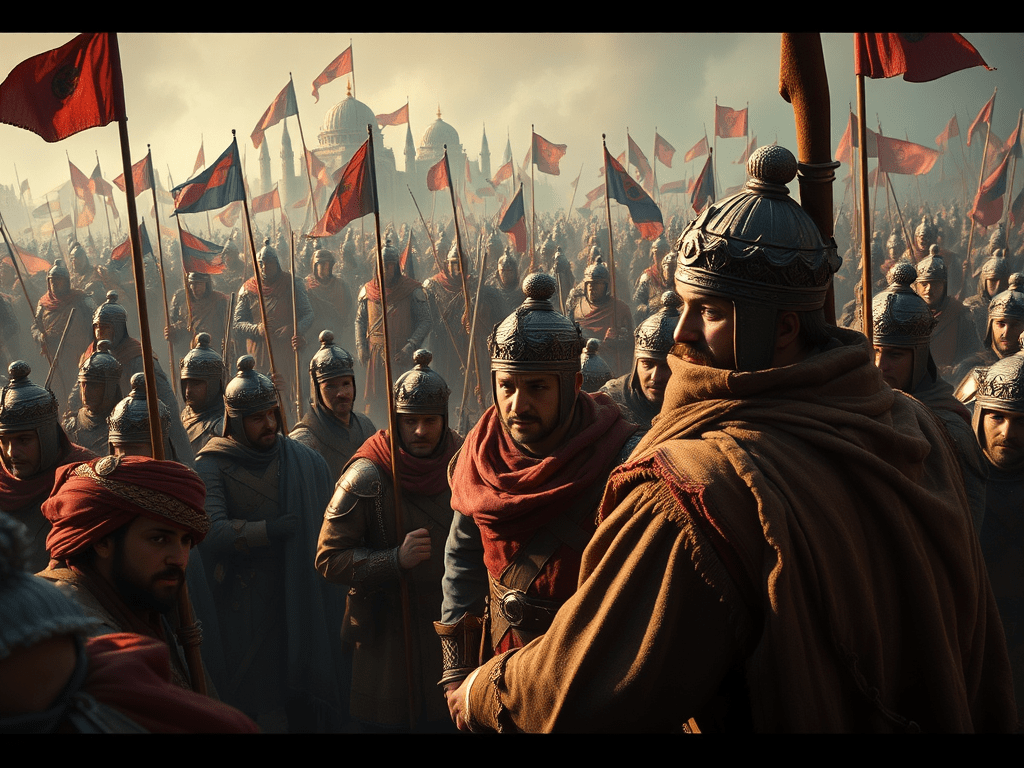
The historical event that fascinates me the most is the climax of the last siege against Vienna by the Ottoman forces. This climax culminated in their eventual defeat in their quest to conquer Europe in 1683. This pivotal moment not only marked a significant historical change. It also symbolized the start of the Ottoman Empire’s gradual decline. The repercussions of this defeat rippled throughout the entire region. The failed conquest did more than weaken their military might. It revealed deep-seated vulnerabilities within the empire’s socio-political fabric. This event exposed cracks in an administration that had once seemed invulnerable. Various sources have reported this story. There are dramatic portrayals in historical documentaries on platforms like YouTube. After the siege failed, the last Pasha was executed. This execution shocked the empire. It led to a tumultuous period filled with political unrest and rapid leadership changes. These changes reverberated throughout its borders. This execution was more than just a result. It ignited fierce power struggles among the elite. These struggles caused significant fractures in the established hierarchy that had sustained the empire for centuries. Additionally, the Ottoman armies soon faced challenges from internal factions, leading to widespread rebellions among the increasingly discontented populace, which further destabilized the regime and necessitated a comprehensive reevaluation of military strategies and governance practices. The aftermath of this catastrophic event not only reshaped the very core of the Ottoman Empire but also had a lasting impact on the political landscape of Europe, altering the balance of power for decades to come and setting the stage for the rise of new nations and alliances.
Unraveling the Ottoman Decline: Insights from the Vienna Siege
Discover more from DuRound Sanctum Studio
Subscribe to get the latest posts sent to your email.
 DuRound Sanctum Studio
Leave a comment