
- Living is defined as a space where one rests, sits, eats, and drinks in a manner that is suitable for humans. This can also be seen as a favorable condition. Here, extended survival is possible without posing a danger to others. It also does not harm one’s health. It includes having adequate food to sustain life, water for hydration, and likely a job that facilitates the exchange of items for something valuable from others.
- Anywhere is characterized as a region, country, or province that is part of the Earth. There are various types of countries and regions that can be categorized, such as Malaysia, Indonesia, Singapore, or Brunei. The term “region” typically refers to continents like Asia, Africa, Europe, the Middle East, or America. Within Asia, there can be further divisions, such as Southeast Asia, South Asia, and East Asia. The continent of America can be split into North and South America, with another designation for South America being Latin America, which applies to those who predominantly speak Spanish.
- The world refers to the Earth’s regions, encompassing numerous countries from all continents on the planet. The world cannot be categorized as another planet, which would be illogical at this time.
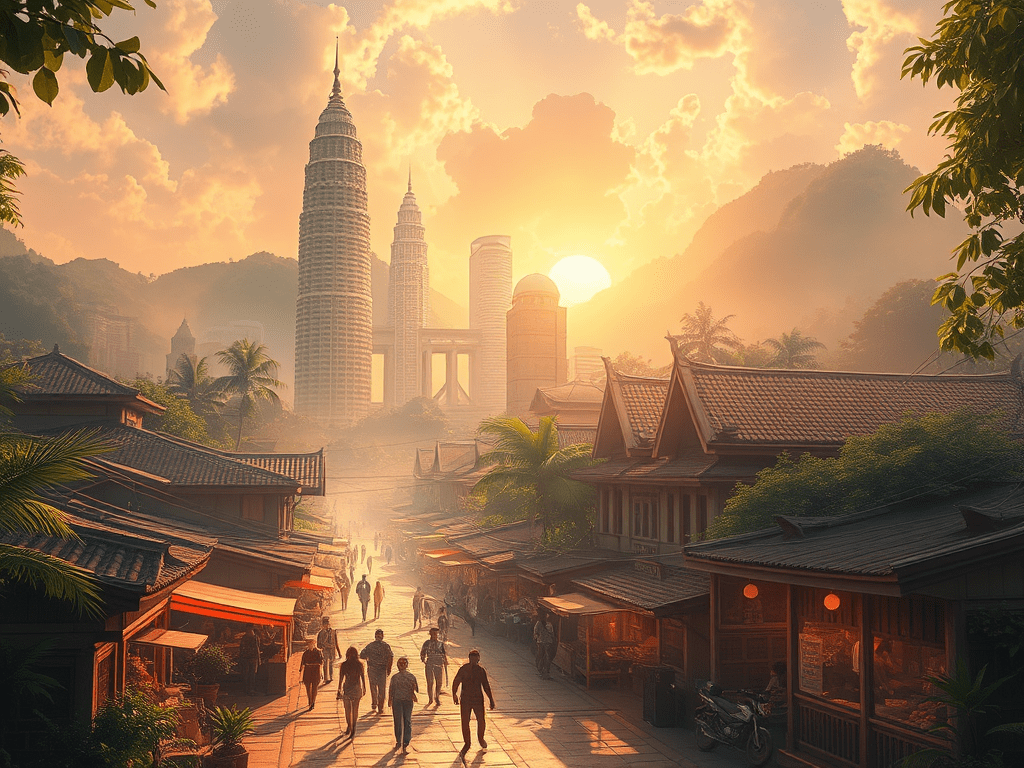
- The most suitable location for residence, one that is ideal for an extended stay, is a birthplace and hometown— a place where peace prevails and trade flourishes. This place is Malaysia, where significant changes have occurred over the decades involving various colonial histories. Choosing any other place in the world may not be as beneficial, as many individuals in other areas do not possess a deep understanding of their region, including its climate, its people, and its historical background.
- Upon reflection, uncertainty exists regarding which place could be considered safer and more livable in the current time and era. Insights on places that can be classified as heavenly and deemed livable would be greatly appreciated.
Best Places to Live: A Global Perspective
Discover more from DuRound Sanctum Studio
Subscribe to get the latest posts sent to your email.
 DuRound Sanctum Studio
Leave a comment