
- A historical figure can be defined as someone who has made a strong legacy for humankind in the matter of social, economic, military, and other structures. This person has been recognized by all people throughout the ages, being remembered and known to people. People following the ideology throughout their lives create a good country, society, or community.
- If I could meet a historical figure, that would be the Prophet Muhammad (saw). He has been remembered until today and has shaped society. His impact is especially profound in religion, which has been devoted to by people around the world. Throughout his lifetime, the Prophet struggled with his people. They worshipped the wrong god. He even faced multiple dangers in midlife before his people embraced the religion from Prophet Muhammad (saw).
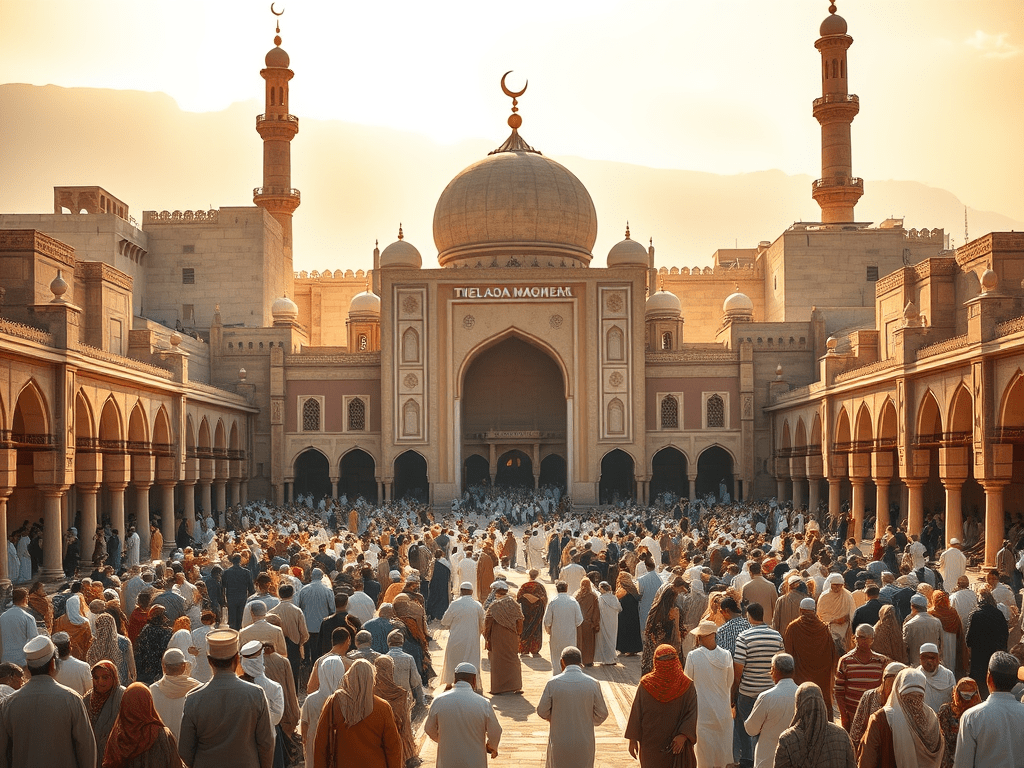
- In social matters, the Prophet is known for shaping their ummah through social gatherings. This is especially evident when doing prayer in congregation. He emphasized this practice particularly in the mosque of Quba. It is the first mosque to be built. The Quran states many times that Muslims are encouraged to give charity, feed those in need, pay zakat, and build relationships with orphans by helping them. In marriage, it can be seen that women will need a guardian so the marriage can be valid, and this practice continues to this day. Also, the need for iddah, which is a period of waiting, helps women to remarry after becoming single.
- In economics, it is encouraged to seek essential things in life such as money, food, and water to sustain life. When engaging in trade, especially in transactions, it is not allowed to practice riba, which is lending money with an increased payback that makes life harder for the debtor to repay. What is allowed is the need to conduct fair trade in transactions and not to lead others into burdensome debt, which creates a good economic system.
- According to Islamic teachings, the Prophet Muhammad (peace be upon him) emphasized the protection of non-combatants, including women, children, the elderly, and those who surrender. He taught that warfare should be conducted with justice and mercy, and that only those directly involved in hostilities should be targeted. The protection of civilians and the prohibition of taking property from non-combatants were central principles in his guidance. These ethical standards promoted peace, encouraged peaceful resolution of conflicts, and reflected a deep commitment to human dignity. Such principles continue to serve as a moral foundation for conduct in both military and civilian life within the Muslim community and beyond
- Thus, Prophet Muhammad (saw) helped significantly in building the Islamic religion, contributing to various aspects such as social, economic, and military, which are still widely used today. Not only that, the book of the Quran and the Sunnah of the Prophet should serve as guidance to mankind to achieve resolutions of peace that should be followed by the ummah today in everyday life. There are also principles of punishment for those who do not follow, especially in some Islamic jurisdictions by country.
The Legacy of Prophet Muhammad: A Historical Perspective
Discover more from DuRound Sanctum Studio
Subscribe to get the latest posts sent to your email.
 DuRound Sanctum Studio
Leave a comment