
- One is defined as either not more than two or being more than zero. There exists only a singular term for that, and not a plural. One signifies something special that distinguishes it from the others; thus, it does not represent any other number. To become one means to possess a strong sense of unity, as there is no one to control the one since it is only a single individual.
- A thing is recognized as a single object that may be seen physically or may not be visible to the eyes, yet can be felt with the heart. A thing is defined as material that represents certain values reflected in digits. In this case, these digits represent values ranging from descending order to zero.
- Hope is defined in Bing as a wish, desire, ambition, and expectation, among other meanings. This desire can consume you, fostering a yearning for a specific outcome that eclipses all else. Similarly, ambition refers to the desire for something to happen at a certain point in your life.
- A wish is something that occurs unexpectedly to you. It happens without any action on your part. An example is hoping for a miracle to take place, which is beyond your control. Expectations refer to things you hope will occur after you have performed a certain amount of work, often involving energy, money, and time.
- People form a group that includes both males and females. They contribute to society. They shape the nation within their geographical boundaries. People constitute a nation where they typically engage in the economy of their own country, aiding in its growth and transforming it into a remarkable nation. This usually happens through trade, causing rapid growth and producing a surplus of goods for use by other nations.
- About refers to characteristics of another person that pertain to their physical appearance, natural traits, and internal qualities. This may include age, height, weight, clothing, footwear, hobbies, careers, and more. Generally, individuals can express their opinions about others based on observed appearances. Additionally, a person can convey their true identity when questioned about this type of subject.
- My greatest hope is that when others talk about me, they will share something positive rather than negative, affirming that I am a decent person. Positive remarks from others help shape the perception that I am good, which strengthens my reputation. Consequently, I feel less pressure when reconnecting with old or new acquaintances, especially when reminiscing about our past experiences together, particularly from our school days.
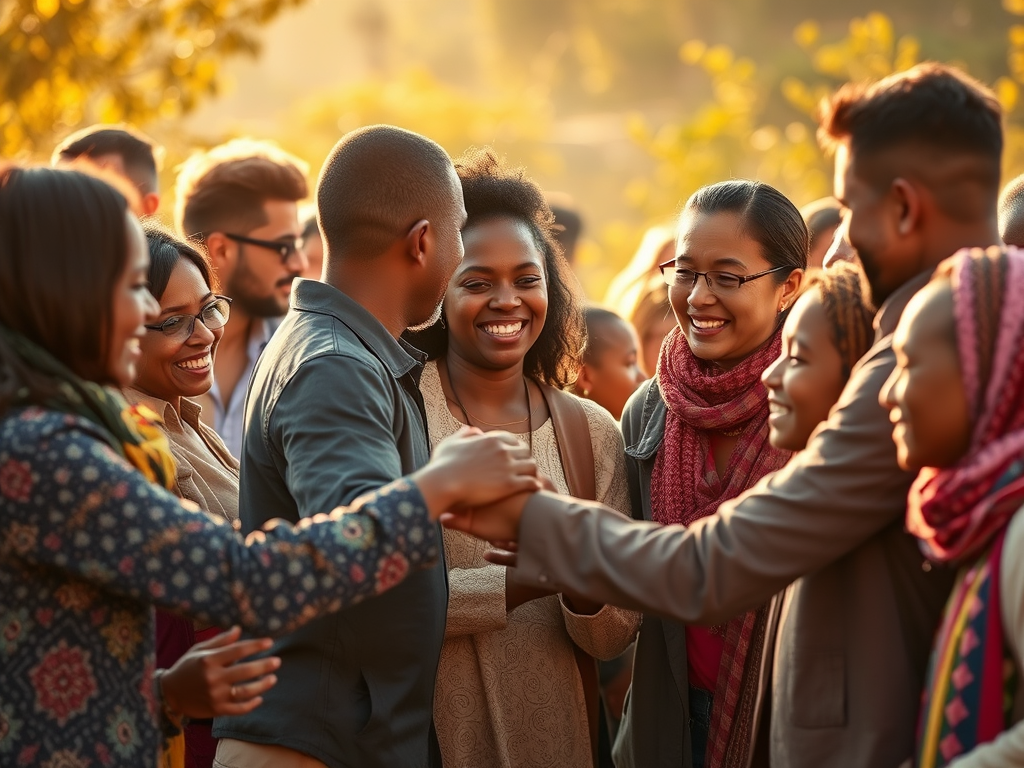
- Furthermore, this not only enhances my reputation but also fosters closer relationships with others, promoting harmony within society. Islam encourages the ummah to speak positively about others, even after their passing, by refraining from negative remarks about them.
- This aligns with the teachings of the Prophet (saw) that advocate for saying good words. In search engines, using positive phrases such as “Masha’Allah,” “Barakallahu Feek,” “Jazakallahu Khairan,” “TaqabbalAllahu Minkum,” and others contributes to spreading positivity and nurturing relationships, especially among Muslims.
- In conclusion, saying good things not only encourages a supportive environment but also helps define societal relationships and facilitates knowledge acquisition, avoiding ignorance. This mutual encouragement assists everyone in becoming better individuals and supports the ummah collectively. Additionally, it serves as a reminder of Allah when uttering these positive words, so let us, who are aware of this, cherish the good and voice positive sentiments toward others.
The Ripple Effect of Kindness in Society
Discover more from DuRound Sanctum Studio
Subscribe to get the latest posts sent to your email.
 DuRound Sanctum Studio
Leave a comment