
- According to Copilot search, “are” is the third person plural present form of “be.” “Be” signifies existence, particularly regarding the object being mentioned. The alternative word functions as a stand-in for the object destined for travel or illustrates a specific role of the object. The term “be” carries various meanings but, in the context of a person, encompasses a broad range concerning the object.
- The term “you” here pertains to the writer, the individual composing the text in the WordPress daily writing prompt. It includes the writer’s insights, personal reflections, and expressions related to the content. Typically, the terms “I” and “me” serve as direct identifiers of the writer, especially within the paragraphs.
- As per Copilot search, “superstitious” refers to possessing or displaying a belief in supernatural forces, often associated with bringing good or bad fortune. This indicates having such beliefs regarding other elements that suggest the aid of magic or influences beyond ordinary human capabilities. It also shares similarities with the notion of spirits or other forms of entities.
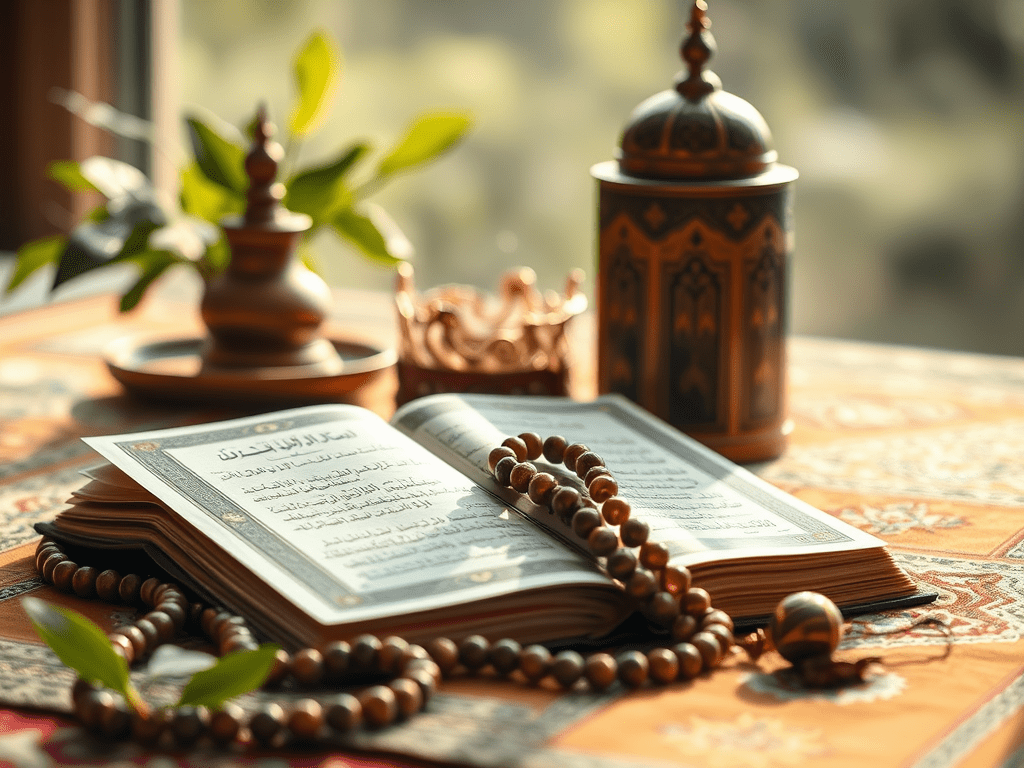
Am I superstitious? The answer is no, as I follow the Islamic faith, which emphasizes the importance of belief and requires adherents to uphold the oaths taken upon embracing the religion. Does this relate to superstition? I think so. It is a traditional faith established by the Prophet (saw). The Quran and Sunnah serve as the legacy He left behind. They illustrate the actions of daily life during His lifetime. This belief has been a part of my understanding since childhood, yet as I transitioned into young adulthood, I found myself revisiting and grasping concepts I hadn’t fully comprehended earlier, particularly during primary school.
The Islamic religion stresses the importance of believing in Allah, the creator of everything. Believers are also expected to adhere to other principles. These include their own qada and qadar. One’s actions will have consequences, resulting in good or bad stemming from those actions. This is evident in everyday life; not only through their actions but also through their beliefs in various concepts that can alter certain circumstances, including those found in the books and the angels. These books are associated with earlier prophets, like the Bible or Tawrah, containing scripts and texts that pertain to their respective prophets. The angels possess different names, especially in Arabic, which may differ from the English language yet hold the same meaning.
Belief in Judgment Day is essential, particularly within the Islamic faith, as this conviction leads individuals to the ultimate test and trial of life. Daily work, jobs, and activities, along with the performance of the five daily prayers, contribute to the belief in supernatural powers or entities that are not visible to the human eye. Muslims are also required to observe fasting, especially during the month of Ramadan, where they must refrain from eating and drinking from Fajr to sunset. This is in accordance with the teachings of the Quran, where Muslims are expected to engage in this practice while also giving to charity, known as Zakat, which is mandatory for most people during the Ramadan period.
Though I wasn’t entirely certain, I believe that adhering to this Islamic faith does not guarantee good or bad luck. From my understanding, believing in luck is considered haram in Islam, making it forbidden for Muslims to embrace such beliefs. It is emphasized that one should have faith in akhira, or the afterlife, which comes after a person passes away during their earthly life, indicating that this life is merely a test and is brief in duration. It is said that true life begins after death, where the real existence of a person starts. This life involves numerous trials and challenges, particularly requiring patience and focusing on one’s own spirituality, without resorting to magic or seeking assistance from supernatural forces.
In conclusion, I believe that the Islamic religion predominantly brings goodness to those who adhere to the Quran and Sunnah in their lives. This practice serves as their ultimate test and means of survival, as demonstrated by the Prophet (saw) in the past and passed down to Muslims today. It has become their tradition to believe and actively choose to follow this path, which offers rewards in the hereafter. By following the teachings and engaging in good deeds, individuals are guided toward Jannah, or heaven, in other words. I welcome your thoughts on this matter in the comment section regarding superstitions.
 DuRound Sanctum Studio
Leave a comment