
- What is enquiry about a statement aims to uncover information that can be shared with others.
- Is mean demonstration of identity is connected to the words preceding or following it in a paragraph.
- “A” is a singular term used to identify an object as one rather than many.
- Cultural, as defined by copilot search, relates to the ideas, customs, and social behaviors of a society.
- Tradition refers to the practices and beliefs passed down from previous generations to the present.
- From denotes the origin of an object that is being created or its placement at the end of a sequence.
- Another refers to an object, whether new or old, that shares similarities with the current object being replicated.
- A country is defined by specific borders where a government governs a region inhabited by diverse peoples.
- “That” serves as a reference to the preceding word, conveying the same meaning.
- You represent the author of content containing personal opinions and information in the posts.
- Wish signifies the desire for something to be true, possess, or occur in one’s life.
- Existed denotes the reality of an object that can be perceived by oneself or others.
- In refers to an empty space that can be filled with an object that fully occupies it.
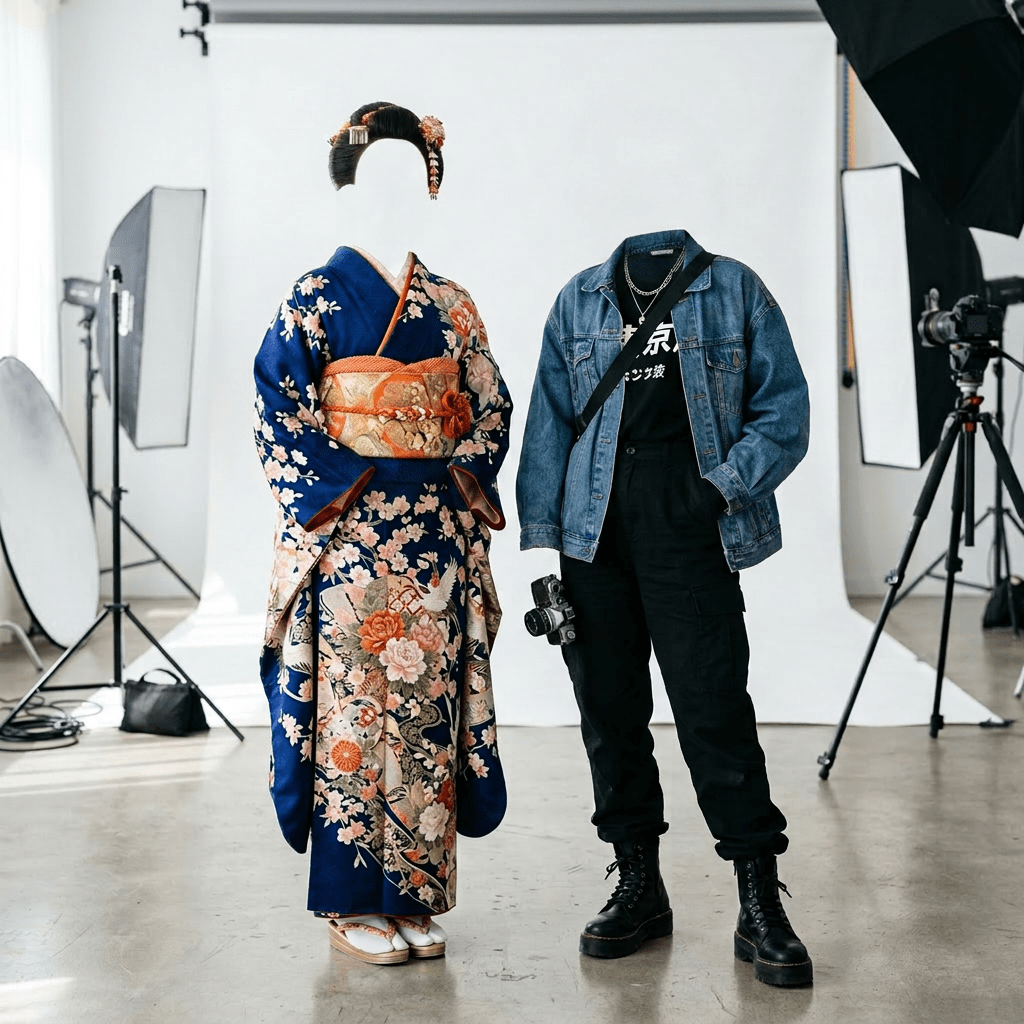
The cultural tradition from Japan that I wish I could embody involves how individuals interact with one another. Japanese culture encompasses specific behaviors that symbolize their heritage, which are still actively practiced in various regions today. I used to enjoy watching Japanese films and cartoons aired on television, especially during my childhood. Traditions such as wearing kimonos are significant, with many women donning them publicly in cities rather than in rural areas. This reflects a robust identity and cultural background for their country, highlighting how these traditions are essential for the survival of Japanese culture in an era where they might otherwise fade away if not preserved.
In today’s world, the fashion industry has evolved to a point where purchasing new clothes to replace older ones is commonplace, as older garments often lose their original quality or are modified to satisfy specific client or customer demands. From my perspective, I realize that I tend to overlook traditional attire, which is typically worn only on special occasions like religious holidays such as Eid. However, on Fridays, certain clothes become symbols within schools, especially for Muslims, as it is a significant religious day that also reflects regional cultural practices. Speaking of clothing, I find Japanese attire particularly intriguing, as I have had experiences interacting with it during my earlier years.
For me, the social behavior of Japanese people is notable, particularly when I observe them enjoying meals in rural areas while sitting together. This cultural practice, which I cherish, seems to be fading on my side, likely due to the increasing influence of modern social norms where people tend to eat while seated at tables or chairs. While this shift is convenient, it often diminishes the traditional practice of sitting together on the floor. I particularly notice this during Eid, when cousins and siblings from my parents’ side visit, and we tend to eat on the floor rather than at a table, especially on the first day of Eid al-Fitr. The strong connection to this custom on such occasions is a significant aspect of the joy I share with my family members.
In conclusion, there are many cultural traditions around the world that reflect their societies and the lives of their people, while also presenting certain similarities and differences among others in the region. Learning about these traditions has deepened my appreciation for the various similarities and differences that can be integrated into contemporary culture, allowing them to evolve in unique ways. I’ve observed that Islam does not erase other cultures but assimilates them, especially where cultural traditions are strong, as I mentioned regarding my own country. One thing I genuinely wish to experience is wearing a kimono, which would allow me to embody a Japanese identity, particularly in my country, where diverse cultures coexist, albeit not practiced daily, often only during specific occasions. However, engaging in such experiences requires resources, including financial means, along with other associated processes. I would love to hear your thoughts in the comments section.
 DuRound Sanctum Studio
Leave a comment